Construction Safety Statistics 2026
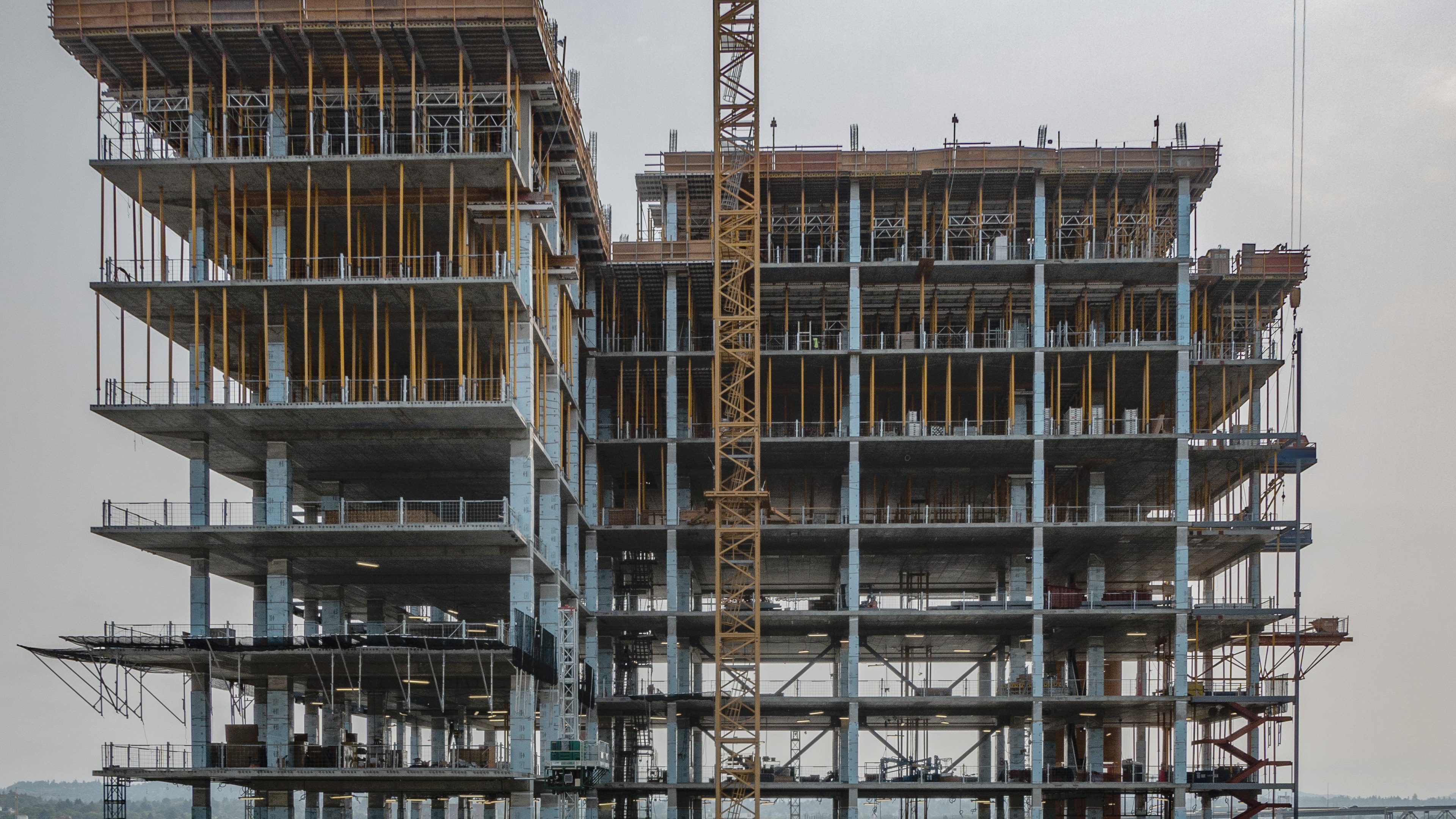

In the United States, 1,034 construction workers died from work injuries in 2024, a rate of 9.2 deaths per 100,000 full-time equivalent workers against 3.3 for all workers, according to the Bureau of Labor Statistics. In Great Britain, 25 construction workers were killed in 2025/26, and over the last five years more than half of construction deaths were falls from a height, according to the Health and Safety Executive. Canada's compensation boards accepted 171 construction fatality claims in 2024 (AWCBC), while Pakistan and the Gulf states publish far less, and the hospital studies that fill part of the gap in the UAE and Qatar point to falls from height as the leading cause of serious injury.
Each of these numbers is a person who was killed or hurt at work, which is why the definitions matter: they decide who gets counted. Every figure below links to the publication it comes from and says which year it covers, and because countries count deaths and injuries in different ways, each region is described on its own terms and the comparisons stop where the definitions differ.
Construction safety statistics at a glance
The table sets out the most recent headline figure each country publishes for construction, with what it counts. Most rates are per 100,000 workers, but the workers behind them differ: full-time equivalents in the US, everyone in employment in Great Britain, and in Saudi Arabia the official estimates published by the International Labour Organization. So the table is a guide to what exists rather than a league table.
| Region | Latest headline figure | Year covered | What is counted |
|---|---|---|---|
| United States | 1,034 deaths; 9.2 per 100,000 full-time equivalent workers | 2024 | Fatal work injuries in private construction, including the self-employed |
| United States | 2.0 non-fatal cases per 100 full-time workers; 155,100 cases | 2025 | Injuries and illnesses recorded by private construction employers |
| Great Britain | 25 deaths (provisional); 1.78 per 100,000 workers over five years | 2025/26; average of 2021/22 to 2025/26 | Deaths of employees and the self-employed reported under RIDDOR |
| Great Britain | 48,000 workers injured a year | Average of 2023/24 to 2025/26 | Non-fatal injuries at work reported by workers in the Labour Force Survey |
| Canada | 171 accepted fatality claims; 31,145 accepted lost-time claims | 2024 | Claims accepted by workers' compensation boards, recorded in the year accepted; no rate published |
| Pakistan | 17.5% of workers reporting a work injury or disease were in construction | July 2024 to June 2025 | Self-reported injury or disease that cost work time or a medical visit; no national death count found |
| Saudi Arabia | 62 deaths; 2.46 per 100,000 workers | 2022 | Official estimates published in ILOSTAT |
| United Arab Emirates | 52.7% of major work injuries in Abu Dhabi were falls from more than 1 metre | 2014 to 2023 | Seriously injured patients in seven Abu Dhabi trauma hospitals, all industries; no national construction series found |
| Qatar | 50 deaths and just over 500 severe injuries | 2020 | Work-related deaths and injuries in all sectors, as collected by the ILO, which says a definitive count is not possible |
United States: 1,034 construction deaths in 2024
The Bureau of Labor Statistics counts every fatal work injury in the country in its Census of Fatal Occupational Injuries. Its figures for 2024, released on 19 February 2026, record 1,034 deaths in the private construction industry and a fatal injury rate of 9.2 per 100,000 full-time equivalent workers, nearly three times the 3.3 recorded for all workers. Falls, slips and trips caused 389 of those deaths, more than any other kind of event, and the pattern is sharper in some trades: of the 120 workers at roofing contractors who died, 96 died in a fall, slip or trip (CFOI table A-1).
Injuries that people survive are counted separately, in the BLS survey of employers. In 2025, private construction employers recorded 155,100 injury and illness cases, a rate of 2.0 per 100 full-time workers, down from 2.2 in 2024, in figures published on 18 November 2026 (SOII table 2).
What inspectors find points the same way. In OSHA's preliminary list of the standards it cited most often after federal inspections between 1 October 2025 and 31 August 2026, fall protection in construction (29 CFR 1926.501) was first across all industries, scaffolding (1926.451) was fourth and ladders (1926.1053) were fifth, and fall protection training (1926.503) was also in the top ten (OSHA).
United States: construction deaths and injuries
Private construction industry. Deaths are for 2024; non-fatal cases are for 2025.
1,034
construction workers died from work injuries in 2024
BLS CFOI, 2024
9.2
deaths per 100,000 full-time equivalent workers, against 3.3 for all workers
BLS CFOI, 2024
2.0
recordable injury and illness cases per 100 full-time workers (155,100 cases)
BLS SOII, 2025
How the 1,034 deaths happened, by BLS event group (2024)
Sources: BLS CFOI table A-1 (deaths by event, 2024); BLS fatal injury rates by industry and CFOI news release (rates, 2024, released 19 Feb 2026); BLS SOII table 2 (non-fatal cases, 2025, released 18 Nov 2026).
United Kingdom: falls behind half of construction deaths in Great Britain
The Health and Safety Executive's construction statistics, published on 19 November 2026, cover Great Britain: England, Scotland and Wales. Twenty-five construction workers were killed in 2025/26, a provisional figure, against an average of 37 a year over the five years to 2025/26. Averaged over those five years, the fatal injury rate in construction was 1.78 per 100,000 workers, around 4.6 times the rate across all industries, and 52% of the deaths were falls from a height.
Far more people are hurt than killed. In HSE's Labour Force Survey, an estimated 48,000 construction workers a year reported a non-fatal injury at work over 2023/24 to 2025/26, about 2.4% of the sector against 1.9% across all industries, and 24% of those injuries kept people off work for more than seven days. Employers reported 3,672 non-fatal injuries to construction employees under RIDDOR in 2025/26, a much smaller number because, as HSE notes, non-fatal injuries are substantially under-reported, especially for the self-employed.
Great Britain: construction worker deaths
Deaths of employees and the self-employed reported under RIDDOR. 2025/26 is provisional (p).
25
construction workers killed in 2025/26p, against an average of 37 a year over five years
HSE, 2025/26p
1.78
deaths per 100,000 workers, around 4.6 times the rate across all industries
HSE, 2021/22 to 2025/26p average
48,000
workers a year reported a non-fatal injury at work, about 2.4% of the sector (1.9% across all industries)
HSE, LFS, 2023/24 to 2025/26 average
Construction worker deaths per year
The five most common kinds of fatal accident, 2021/22 to 2025/26p (186 deaths)
Sources: HSE, Construction statistics in Great Britain, 2026 (published 19 Nov 2026); RIDFATAL table 1 (deaths and rates by year); RIDKIND table 1 (accident kinds; the five-year totals are our sums of HSE’s yearly counts).
Canada, and why North America can't be added up
Canada has no single national census of fatal work injuries like the American one. The closest is the Association of Workers' Compensation Boards of Canada (AWCBC), which compiles the claims accepted by the 12 provincial and territorial boards. In 2024 the boards accepted 171 construction fatalities out of 1,046 across all industries, after 194 in 2023 and 183 in 2022, and they accepted 31,145 lost-time claims from construction workers.
The largest group of the 171 deaths, 64, is exposure to caustic, noxious or allergenic substances, followed by 23 falls to a lower level. Two features of the data matter when you read it: AWCBC records a death in the year the board accepts the claim, which may not be the year of the incident, and the share of workers covered by the boards varies from one province to another.
That is also why North America's figures can't simply be added together. The US count covers every fatal work injury in the year it happened, including the self-employed, while the Canadian count is of accepted compensation claims, and AWCBC publishes no rate per worker. Read side by side, both still put falls among the leading causes of death in construction.
Canada: accepted construction fatality claims
Claims accepted by the 12 provincial and territorial workers’ compensation boards. No rate is published.
171
construction fatalities accepted in 2024, out of 1,046 across all industries
AWCBC, 2024
194
construction fatalities accepted in 2023 (183 in 2022)
AWCBC, 2022 to 2023
31,145
accepted lost-time claims in construction in 2024
AWCBC, 2024
The largest event groups among the 171 deaths accepted in 2024
Sources: AWCBC, National Work Injury, Disease and Fatality Statistics 2022-2024, tables 15, 22, 36 and 42.
Pakistan: what the official data shows, and what it doesn't
Official data on construction safety in Pakistan is limited. We found no national count of construction deaths in the publications of the Pakistan Bureau of Statistics or in ILOSTAT, the International Labour Organization's database. What does exist is the Labour Force Survey, which asks people whether, in the previous 12 months, they suffered a work injury or disease that cost them working time or a visit to a practitioner.
In the 2024-25 survey, with fieldwork from July 2024 to June 2025, 2.7% of employed people, about one in thirty-three, said they had. Construction accounted for 17.5% of them, second only to agriculture at 23.9%, although it employs about one worker in ten (9.9%), so construction workers make up a larger share of the injured than of the workforce.
Independent research gives a closer look at one city. A 2025 study in PLOS Global Public Health surveyed 448 men at 10 construction sites in Karachi in 2022 and found that 26% had been injured at work in the previous year badly enough to need medical care or time off, most often with a cut or laceration (72% of those injured). The authors note a significant lack of data on the extent and causes of injuries among construction workers in the country.
Pakistan: who reports work injuries and illness
Labour Force Survey 2024-25 (fieldwork July 2024 to June 2025). Self-reported, not a count of deaths.
2.7%
of employed people reported a work injury or disease in the previous 12 months
PBS LFS 2024-25
17.5%
of those who reported one worked in construction, a sector that employs 9.9% of workers
PBS LFS 2024-25
26%
of 448 workers at 10 Karachi sites reported an injury in the past year that needed care or time off
PLOS Global Public Health, 2025 (2022 data)
Share of workers who reported an occupational injury or disease, by industry
Sources: Pakistan Bureau of Statistics, Labour Force Survey 2024-25, section 4.18, tables 4.5 and 4.33; Allana et al., PLOS Global Public Health, 2025.
Saudi Arabia, the UAE and Qatar
Saudi Arabia publishes the most of the three. The General Authority for Statistics reported on 28 April 2026 that in 2025 there were 1.3 fatal and 245 non-fatal occupational injuries per 100,000 workers aged 15 and over, excluding road traffic accidents, based on the records of the National Council for Occupational Safety and Health (GASTAT). Those figures cover all industries. For construction, the most recent figures we found are for 2022: Saudi official estimates published in ILOSTAT record 62 construction deaths, a rate of 2.46 per 100,000 workers against 1.75 across all industries, and the General Organization for Social Insurance recorded 28,227 work injuries that year, 9,607 of them in construction, more than in any other activity (GOSI).
In the UAE we found no current national series of construction injuries or deaths from federal or emirate statistics bodies. The best recent evidence is a 10-year study of the Abu Dhabi Trauma Registry, published in BMJ Open in August 2026. Of 1,318 patients with major work-related injuries treated in seven trauma hospitals between 2014 and 2023, 52.7% had fallen from more than one metre and 17.9% had been struck by an object; 98.6% were men, 98.8% were non-local, and 8.9% died in hospital. The study covers all industries, not only construction, and only injuries serious enough to reach a trauma centre.
In Qatar, the International Labour Organization's 2021 report One is too many found that 50 workers died in work-related incidents in 2020, just over 500 were severely injured and 37,600 had mild to moderate injuries. Falls from height and road traffic accidents were the leading causes of severe injuries, followed by objects falling on worksites, and most of those affected were migrant workers, mainly in construction. The ILO also found gaps in how the data was collected, so a definitive count of fatal occupational injuries was not possible. A 2025 study of 2,712 construction workers admitted to the Hamad Trauma Center with non-fatal injuries between 2014 and 2021 found that 63.8% had fallen and 21.7% had been struck by a heavy object (Soubra et al.).
Saudi Arabia, the UAE and Qatar: what is published
Each card uses a different source and definition, so the cards are not a ranking.
2.46
construction deaths per 100,000 workers in Saudi Arabia (62 deaths), against 1.75 for all industries
ILOSTAT, Saudi official estimates, 2022
9,607
of the 28,227 work injuries GOSI recorded in Saudi Arabia were in construction, more than any other activity
GOSI, 2022
1.3
fatal and 245 non-fatal injuries per 100,000 workers in Saudi Arabia, all industries, road traffic excluded
GASTAT, 2025
52.7%
of major work-related injuries treated in Abu Dhabi trauma hospitals were falls from more than 1 metre
BMJ Open, 2026 (2014 to 2023 data)
50
work-related deaths and just over 500 severe injuries in Qatar, all sectors
ILO, 2021 (2020 data)
63.8%
of construction workers admitted to Qatar’s main trauma centre with non-fatal injuries had fallen
Int Arch Occup Environ Health, 2025 (2014 to 2021 data)
Sources: ILOSTAT; GOSI work injury report 2022; GASTAT, 28 Apr 2026; Farooq et al., BMJ Open, 2026; ILO, One is too many, 2021; Soubra et al., 2025.
The most common causes of construction deaths and injuries
Across all of these sources, the same few causes keep appearing. OSHA names four of them as the top causes of construction fatalities and calls them the Focus Four: falls, struck-by, caught-in or -between, and electrocution. HSE's main kinds of fatal accident in construction cover much the same ground, and wherever the data separates causes, falls come first.
| Cause | What the data shows |
|---|---|
| Falls from height | US: falls, slips and trips caused 389 of 1,034 construction deaths in 2024 (BLS). Great Britain: 52% of construction deaths in 2021/22 to 2025/26 (HSE). Canada: 23 of 171 accepted deaths in 2024 (AWCBC). Abu Dhabi: 52.7% of major work injuries (BMJ Open). Qatar: 63.8% of construction workers admitted with non-fatal injuries (Soubra et al.). |
| Struck by objects or vehicles | Great Britain: 22 deaths from moving, flying or falling objects and 18 from moving vehicles over five years (HSE RIDKIND). Canada: 9 deaths struck by an object and 12 pedestrians struck by vehicles or mobile equipment in 2024. Abu Dhabi: 17.9% of major work injuries. Qatar: 21.7% struck by a heavy object. |
| Caught in, between or under | Great Britain: 21 deaths from something collapsing or overturning over five years (HSE RIDKIND). Canada: 8 deaths caught in or compressed by equipment or objects in 2024. |
| Electrocution | Great Britain: 14 deaths from contact with electricity over five years (HSE RIDKIND). |
| Slips, trips and housekeeping | Great Britain: slips, trips and falls on the same level were the largest group of non-fatal injuries that construction employers reported in 2025/26, 870 of 3,672, ahead of falls from a height (733) and handling, lifting or carrying (667) (HSE RIDKIND). |
Most of these causes leave something you can see before anyone is hurt: an open edge, a tower without guardrails, a load lifted over a walkway, a cable across a corridor or offcuts on a stair. That is where routine site walks come in, along with a record of what was seen and what was done about it.
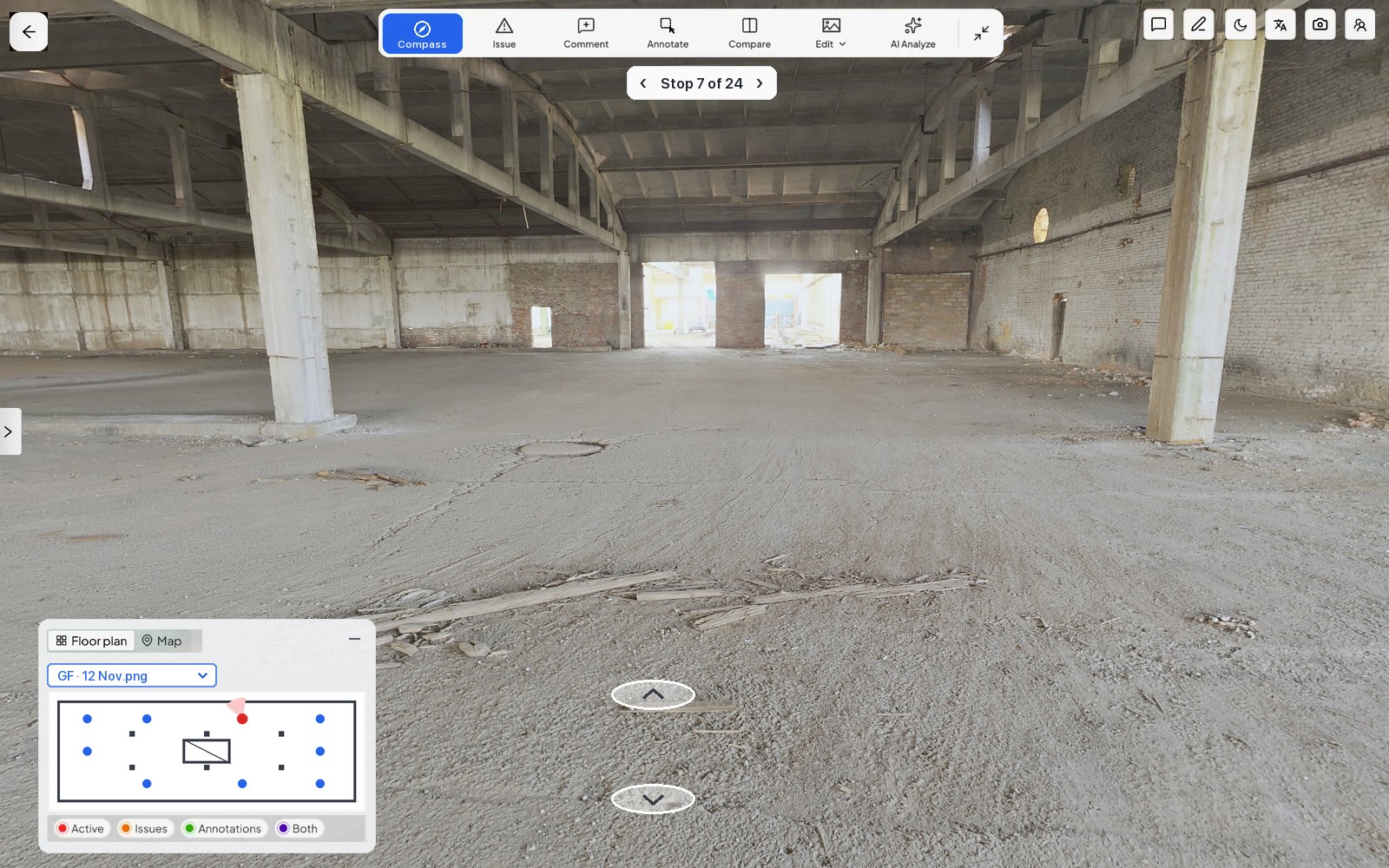 Stop 7 of 24 · 12 Nov
How SpatialSense by Kodifly helps with the common causes
SpatialSense doesn't prevent accidents on its own, and it doesn't replace a safety officer, a risk assessment or anyone's legal duties. What it does is make sure that a hazard someone sees on a walk gets an owner, a due date and a dated record of when it was closed.
Pin the hazard where it is
Record a 360° walk of the floor, open it in the viewer and use the Mark Issue tool on the exact spot, whether that is an open edge, a tower without guardrails or a cable across a walkway. You add a title, a category, a team, a due date and a priority, and when the issue is pinned on a 360° photo, SpatialSense fills in where it sits on the floor plan (mark and track issues).
Tell the right person, in their language
The assigned team is notified, and where WhatsApp numbers are set up, the alert carries the issue's title, priority and location with a link straight to it. Each alert is sent in the recipient's own language (construction issues on WhatsApp).
Answer it from site
The site team sees the issues that need them in the Konnect phone app and replies with text, a photo or a voice note, and they can log new issues with the phone camera; Konnect access is set up after a demo. Every open item sits on the project's issue board and moves from To Do to Completed.
Check it on the next walk
Because every walk is dated, you can open the same spot on two dates side by side and see whether the guardrail went back up (compare two dates). The issues export as a PDF report, which gives the project a dated record of what was seen and when it was dealt with.
Let AI look as well, with a person deciding
SpatialSense can also run an AI sweep for safety issues across the 360° photos of a walk. Each finding arrives as a proposal that a reviewer can move or relabel before accepting or rejecting it, and the site progress report is built only from the safety issues a person has accepted (release notes, v7.11.0). The safety AI flags missing edge protection for review after a scan is uploaded; it does not stop a fall as it happens.
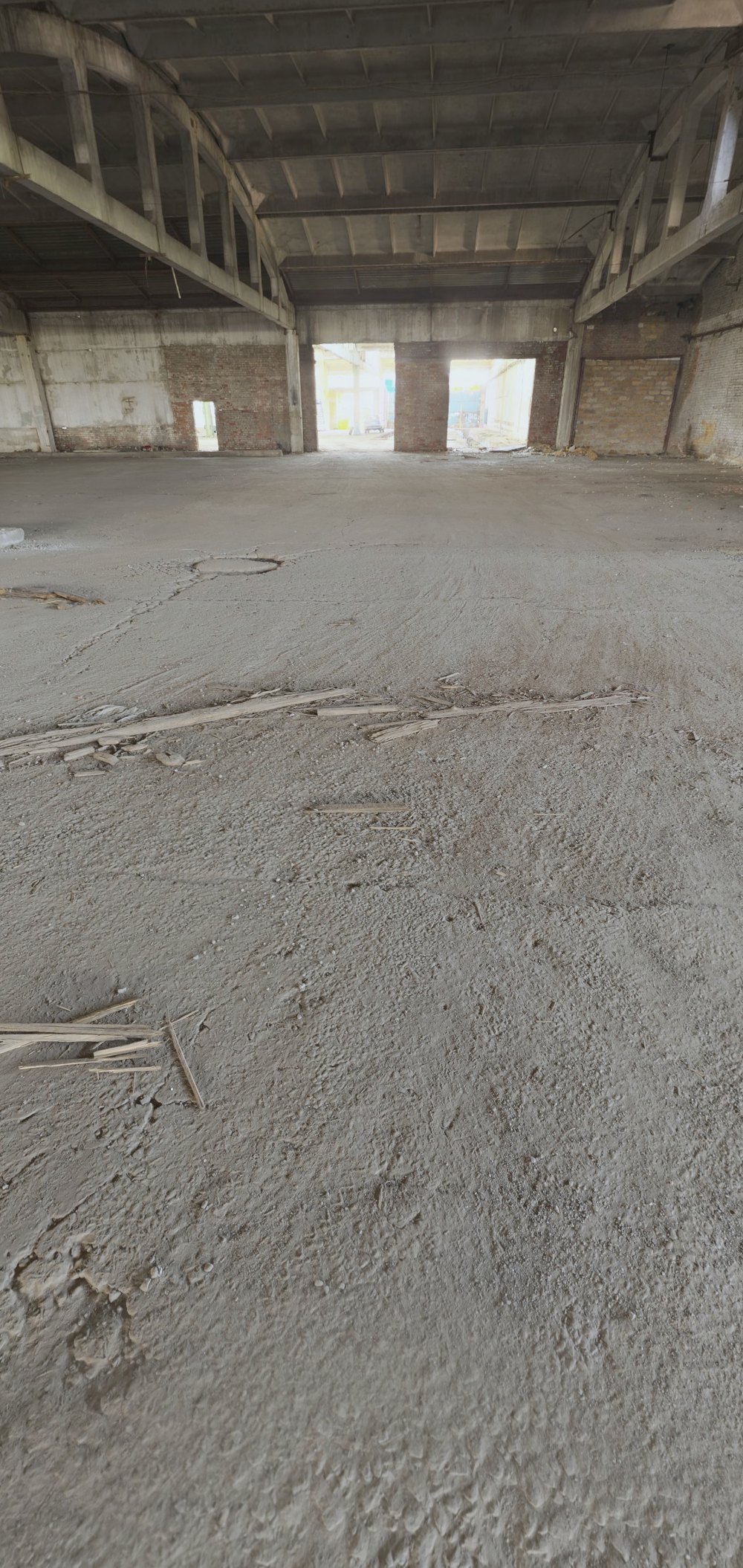
- Pinned where it was seenThe issue sits at stop 7 of the walk, and its place on the floor plan is filled in for you.
- Sent in their languageThe site team gets a WhatsApp alert in their own language, with the title, priority, location and a link.
- Answered from siteThey reply in the Konnect app with text, a photo or a voice note, from wherever they are on site.
An example: what one walk flagged
An anonymised SpatialSense sample report shows what this looks like in practice. It was built from a single walk of 22 360° photos of a commercial building's ground floor on 24 September 2026, and alongside its progress findings it listed five safety observations: mobile scaffold towers in use without guardrails while people worked at height, a stair flight protected only by barrier tape with no temporary handrail, incomplete edge protection at an atrium slab edge next to a working area, temporary power cables trailing across walkways, and brick debris and offcuts in a core area.
Each observation was tied to the 360° photo it came from, so whoever was fixing it could open the exact spot. Between them, the five items cover two of the causes above: falls from height, and slips, trips and housekeeping.
How we chose these sources
We used only official statistics bodies, regulators, the International Labour Organization and peer-reviewed journals, and the most recent year each one publishes, and we left out any figure we could find only second-hand. Where official data is thin, as in Pakistan and the Gulf, we say so rather than fill the gap with estimates from elsewhere. Rates are quoted with the denominator their publisher uses, figures with different definitions are kept apart, and every source was read on 19 or 20 November 2026.
Capture. Understand. Take Action.
See SpatialSense on your project
Walk your site, pin what you find and follow each item until it is closed, with a dated record of every step. The full platform is free for 30 days, with no card needed.
FAQ
What is the leading cause of death in construction?
Falls. In the US, falls, slips and trips caused 389 of the 1,034 construction deaths in 2024, more than any other event, and in Great Britain falls from a height accounted for 52% of construction deaths between 2021/22 and 2025/26.
How many construction workers died in the US in 2024?
1,034, according to the Bureau of Labor Statistics, a rate of 9.2 deaths per 100,000 full-time equivalent workers against 3.3 for all workers.
How many construction workers died in the UK last year?
In Great Britain, 25 construction workers were killed in work-related accidents in 2025/26, a provisional figure, against an average of 37 a year over the five years to 2025/26.
What are OSHA's Focus Four hazards?
Falls, struck-by, caught-in or -between, and electrocution. OSHA names them as the top four causes of construction fatalities.
Is there official data on construction accidents in Pakistan?
Only in part. The Pakistan Bureau of Statistics' Labour Force Survey shows that construction accounted for 17.5% of workers who reported a work injury or disease in 2024-25, but we found no official national count of construction deaths.
Can software prevent construction accidents?
No software can promise that. SpatialSense helps a team act on what it sees: hazards pinned on a 360° walk get an owner and a due date, the right people are alerted, and the next dated walk shows whether each one was closed. It doesn't replace a safety officer, a risk assessment or anyone's legal duties.