What Settles a Construction Payment Dispute? A Record Made Before the Wall Was Covered
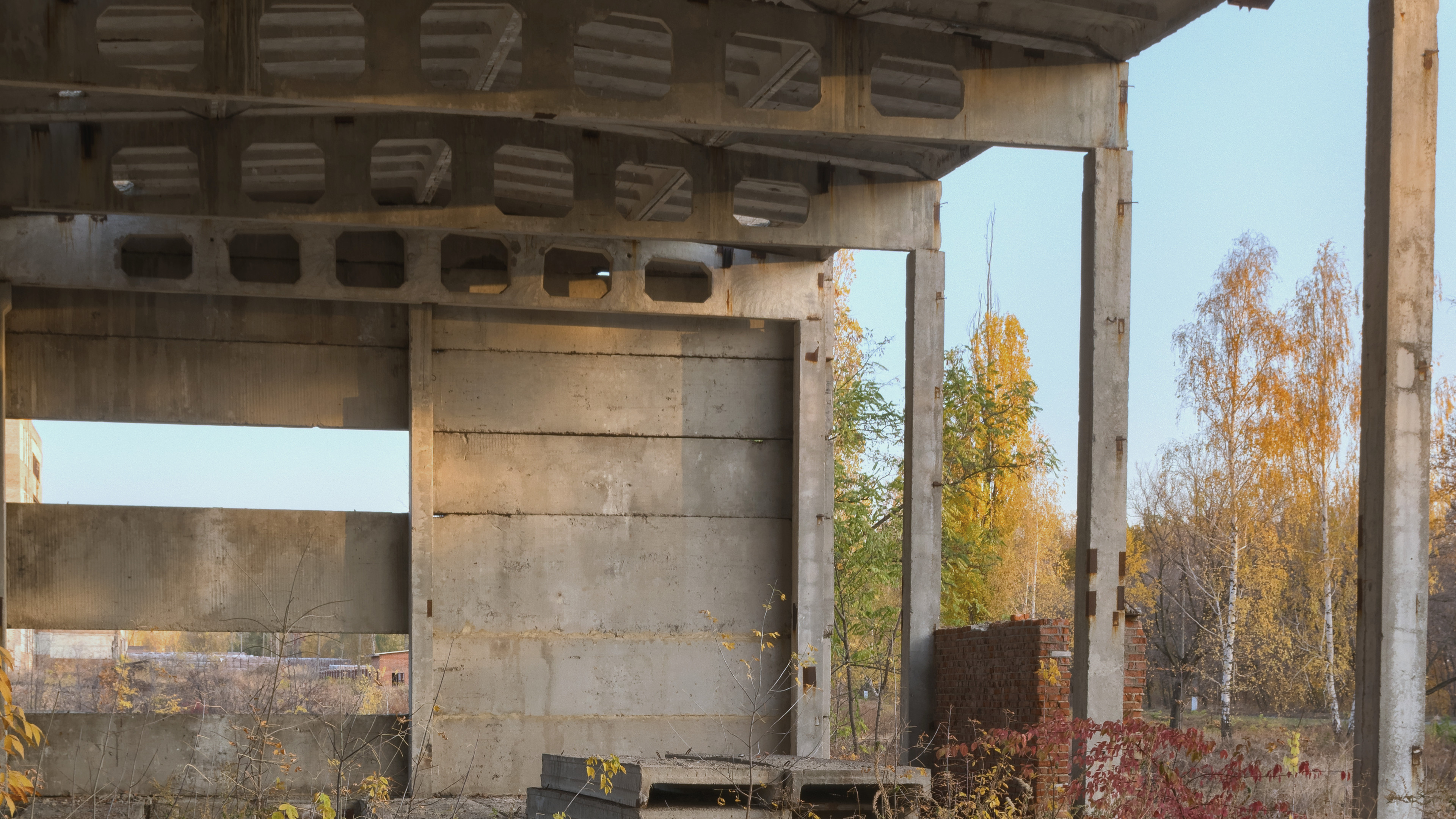

The contractor's application says the blockwork on the ground floor was finished by the cut-off, and your valuation allows only part of it, because the floor you walked nine days ago still had open bays around the stair core. The contractor's QS now wants to know how you know, and what you have is your memory of that walk and a few photos that show a wall without saying which one. The difference rolls into next month's certificate, but by then the wall is plastered, so the question of what stood there on the cut-off date can no longer be settled by looking. That is how a small difference becomes a claim months later, argued from records nobody made at the time, so the valuation that stands is the one backed by a record made before anyone disagreed.
The evidence that settles a construction payment dispute is a record made at the time, showing the same part of the work on dated visits either side of the valuation cut-off, so both sides can see what existed by that date. Agree on that record before you certify, because once the work is covered nobody can check it again.
How often payment becomes the argument
HKA's ninth annual CRUX Insight report, published on 15 October 2026, analysed 2,410 projects whose claims and disputes HKA's consultants investigated. Across the whole dataset, design-related failures affected 40.5% of projects, more than scope change. HKA describes the Middle East as the region that improved most on time and cost overruns, yet disputes over payment still affected 24.1% of its projects.
The dataset is made up of projects that already had claims or disputes, so that figure tells you how often payment features among disputed Middle East projects, and it shouldn't be read as a rate for every project in the region. Even so, roughly one disputed project in four there involved an argument about money owed, and that is the argument a certifier is closest to.
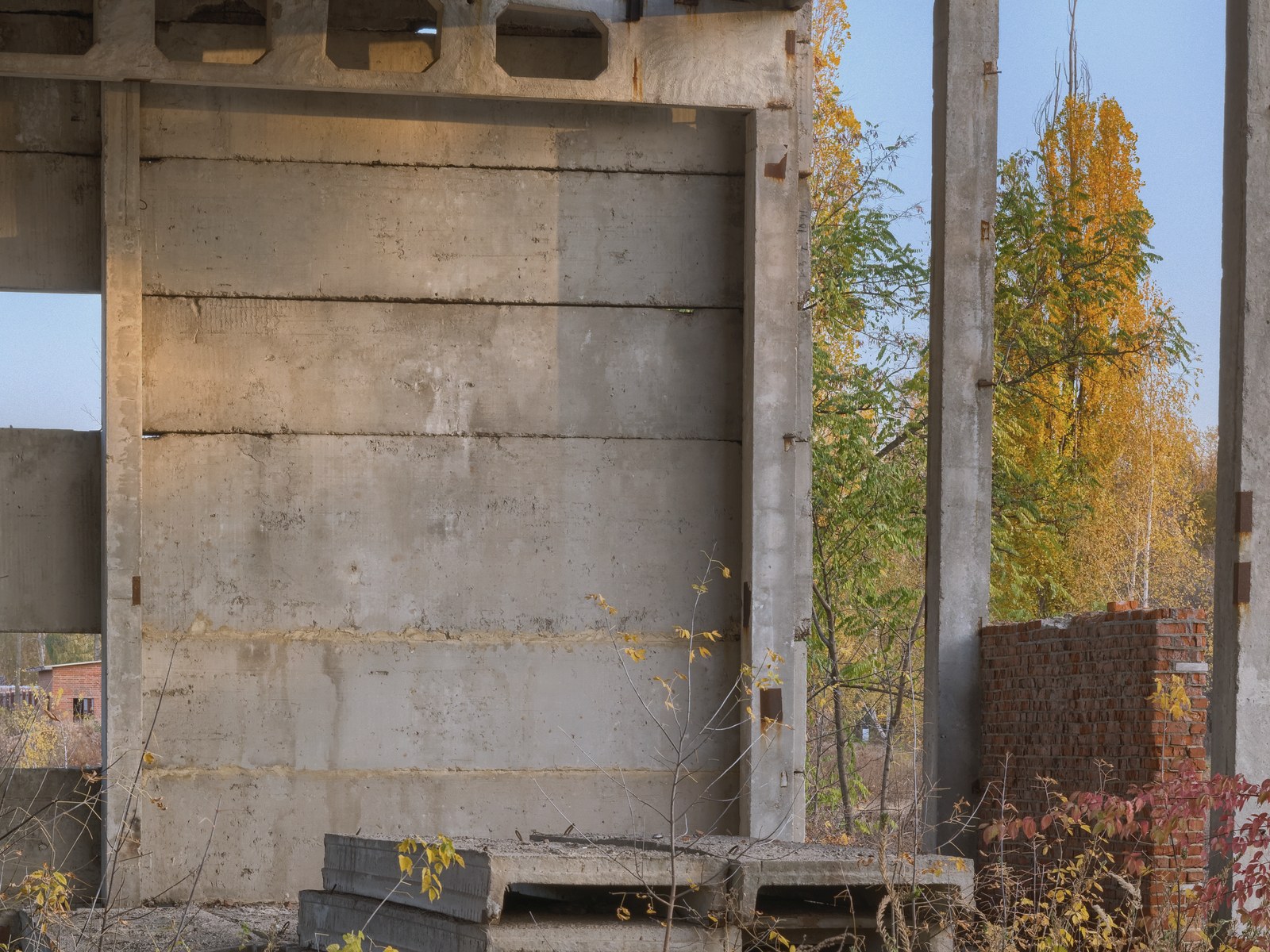 21 Oct 2026
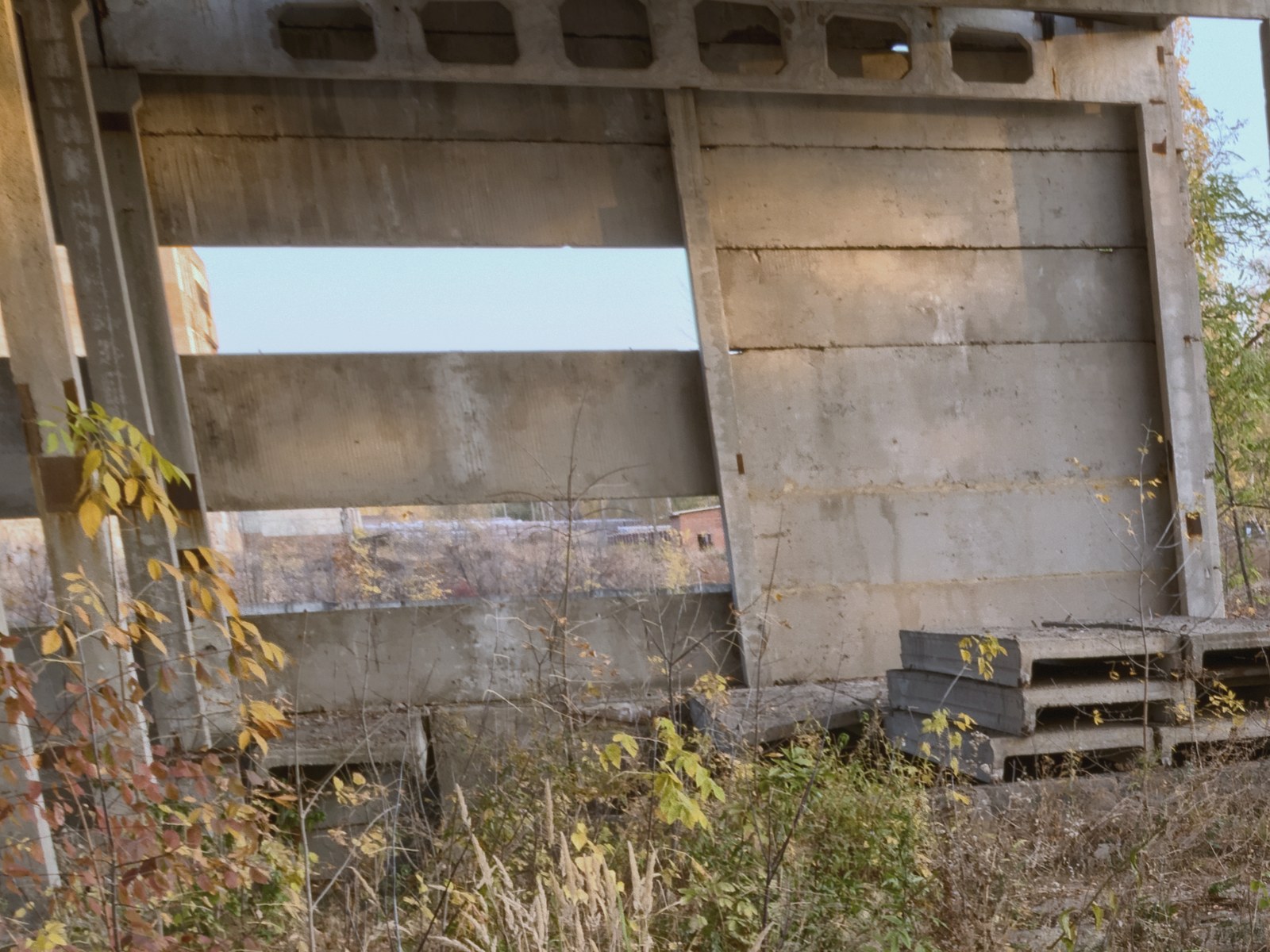 28 Oct 2026
Why payment disagreements are hard to settle later
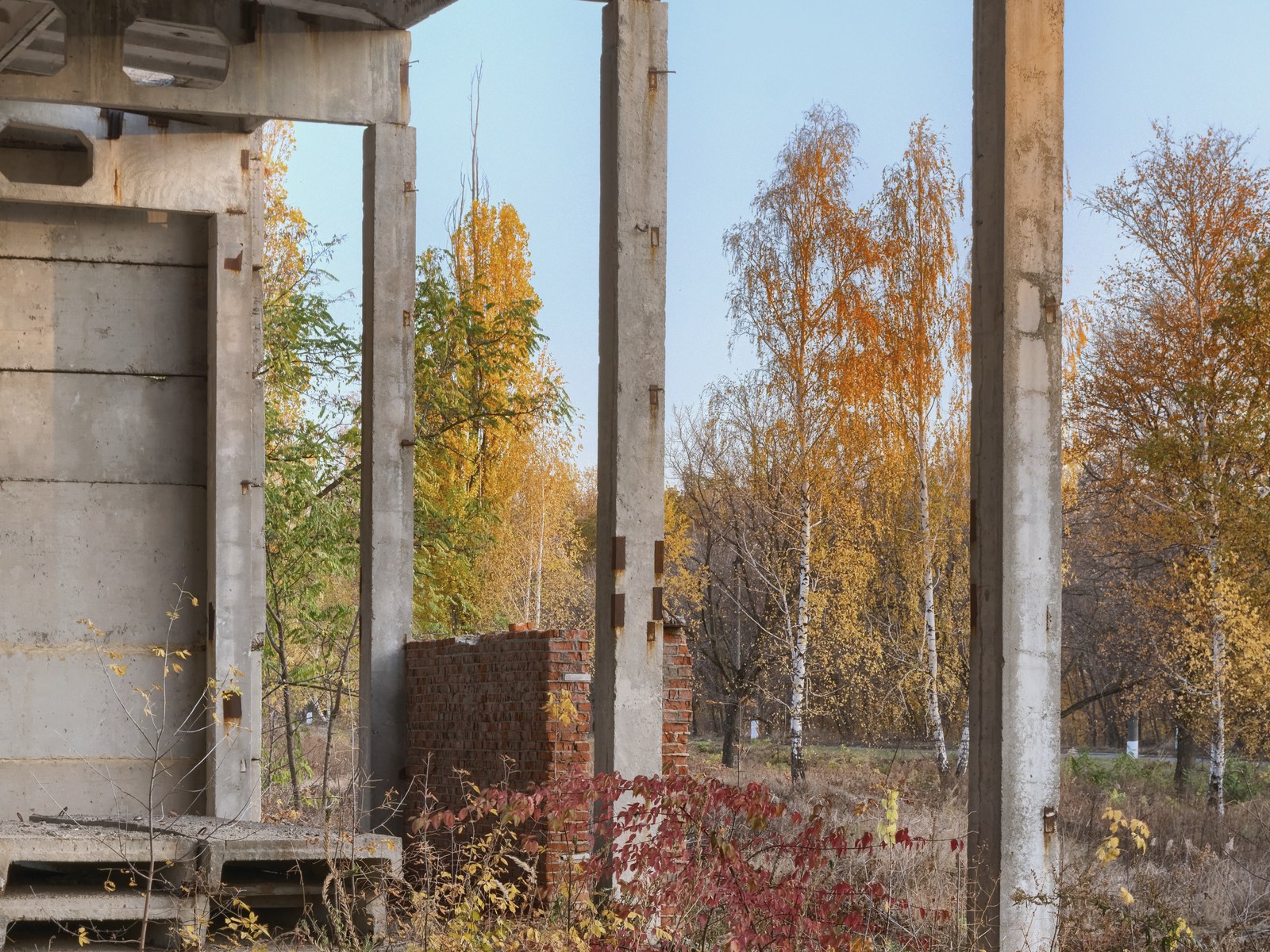
A valuation is fixed at a cut-off date, whereas the work keeps moving after it, so by the time a difference is escalated the next trade has usually covered the thing you were arguing about. Each record a project keeps answers a different question, and very few of them show the same spot on two dates either side of the cut-off, which is the question a payment disagreement turns on.
The Society of Construction Law's Delay and Disruption Protocol, a UK guidance document written for delay and disruption claims, starts from the same problem. Its first core principle is that the parties should agree on the type of records to be kept and allocate the resources to keep them, and its list of progress records includes photographs with the date taken and, where possible, GPS coordinates. The same logic applies to payment, because both arguments depend on what was on site on a particular day. For certifiers, the Designing Buildings guide to interim valuations makes the practical point that when an assessor disagrees with an application, the assessment should give the reason for each difference, including any photos or marked-up drawings that support it.
What each record settles
| Record | What it settles | Where it falls short |
|---|---|---|
| Photos shared in a chat group | That something existed | The date and place are easily lost, and there is rarely a view from before |
| Site diary | What one team says happened each day | It is one side's account, with no image to check |
| Quantities on marked-up drawings | How much was installed | Hard to check once the work is covered |
| Dated walks of the same spot | What the spot looked like on each date, either side of the cut-off | Needs a routine that starts before the disagreement |
| Comments pinned on the spot | Who raised what, and when | Only as good as the walk it sits on |
What to record before the cut-off
This is general guidance and not legal advice. Your contract sets the payment and notice procedures, so check each step against it with your contracts team.
- Agree the record at the start of the job: which areas are walked, how often, and that both sides can see the result.
- Walk on a fixed day in each valuation period, as close to the cut-off as you can, from the same spots each time so that any two dates line up.
- Compare the same spot either side of the cut-off when you value a line you disagree with, and attach the pair to your reasons.
- Raise the difference on that spot while the work is still visible, and let the contractor reply on the same record with their own evidence, because the walk that limits an over-claim will also show work your valuation missed.
- Keep the walks after the certificate is paid, since a later claim will go back to that month. Damage to finished work follows the same pattern, which is why back-charges are settled the same way, with the spot before and after.
Where SpatialSense fits
SpatialSense keeps 360° walks, drone flights and laser scans in one project, with each site visit stored as a dated survey, so every valuation period has its own record. Your team walks the site with our Trace app and a 360° camera on a helmet, and in Video Mode every frame carries GPS and a timestamp, and the walk uploads with its path drawn on your floor plan. At valuation time you open any two dates side by side from one locked viewpoint, and each comparison is timestamped, so you can share it or add the pair to a progress report. A disagreement goes on the spot as an issue with an owner and a due date, and a share link opens without a login, so the contractor's QS sees the same view you do. From two dated walks SpatialSense writes a station-by-station progress report tied to the images, and a person approves every AI finding before it goes in. The same record backs a variation order, and our post on tracking costs without spreadsheets shows how it feeds the budget.
SpatialSense keeps the record, while the valuation and the question of who is owed what stay with you and your contract. Where the difference is a measured quantity, such as an excavated volume, a laser scan you can measure answers it better than a 360° walk. On a small job where both sides walk each floor together at every valuation and agree the photos on the day, that routine already does most of the work.
 123
Capture. Understand. Take Action.
See SpatialSense on your project
Start your next valuation period with a 30-day free trial of the full platform on your own site, with no card, by uploading your 360° images in the browser, and book a demo when you want Trace set up for your team. Support is one to one with a person at Kodifly, 24 hours a day, 7 days a week. Start your free trial
FAQ
What evidence do you need in a construction payment dispute?
Start with the contract and the payment documents. On the question of what was actually built, the strongest evidence is a record made at the time, such as dated photos of the same location either side of the cut-off, kept alongside site diaries and measured quantities.
Are site photos good evidence of work completed?
They help most when each photo shows when and where it was taken, and when the same spot was captured before and after the date in question. A photo without a date or a location shows that something existed, without showing when.
What should a quantity surveyor do when they disagree with a payment application?
Give the reason for each difference in the assessment, supported by photos or marked-up drawings, and raise it while the work can still be seen. Your contract sets the notice periods and the form the assessment takes.
How common are payment disputes on Middle East construction projects?
HKA's ninth CRUX Insight report (October 2026) found payment disputes on 24.1% of the Middle East projects in its dataset, which covers projects with claims or disputes.